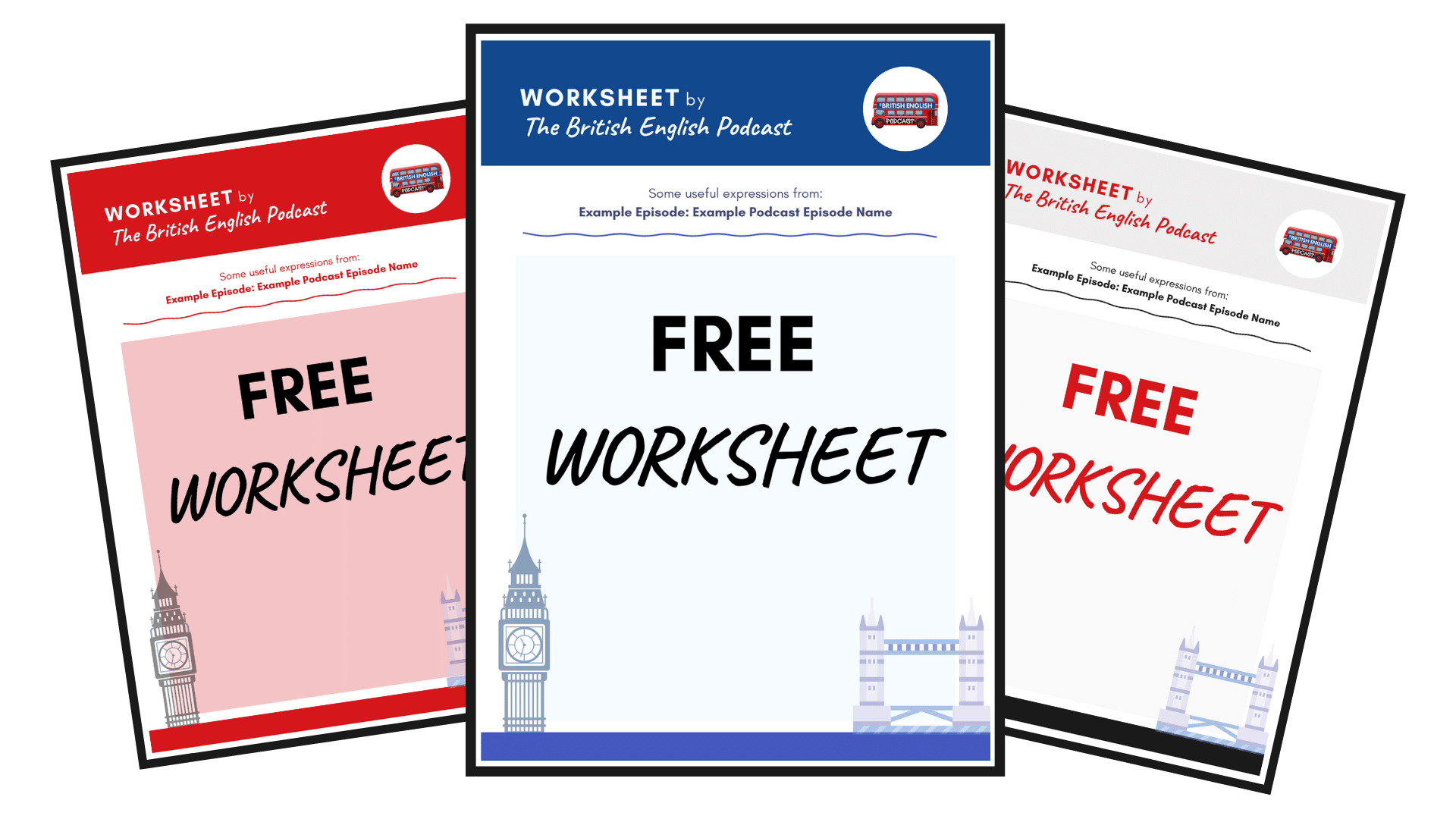
Access your active membership's learning resources for this episode below:
Access your active membership's learning resources for this episode below:
Continue listening to this episode
A British pub isn’t just about beer
In this bonus episode of The British English Podcast, Charlie chats with his friend Jim about something deeply British: the pub. Not just a place to drink, but a social space full of memory, comfort, humour, and community.
Jim explains that pubs have shaped his friendships, his working life (he works in the City of London), and even major life moments—like meeting his future wife in a pub.
What does a “proper pub” feel like?
Jim’s “first image” of a pub is very classic:
wood panelling
cosy, dim lighting
the smell of hops (a plant used in brewing beer)
a warm atmosphere (often with a fireplace)
He also uses a brilliant phrase: a “spit and sawdust” pub. This means an old-fashioned, slightly rough, not-too-polished pub—more traditional than trendy.
Cultural note (UK mindset)
Jim suggests younger people often prefer pubs that look “nicer” and more modern, but many people still yearn (really want) for the old cosy style.
“My local”: the pub that feels like yours
A key British idea is your local—the pub you feel connected to, usually near your home. But Jim says distance isn’t enough. A pub becomes your local when:
you genuinely like the vibe
you return often
the staff recognise you (landlord/lady or bar staff)
they might even know “the usual” (your typical drink)
Useful phrase:
“I’ll have the usual.” = “Give me what I normally order.”
Pub etiquette: where it’s OK to talk to strangers
One of the most interesting bits is the “social code” inside a pub:
At the bar: chatting to strangers is normal and acceptable.
At a table: it’s less expected to approach someone you don’t know (it can feel like “infiltrating” their space).
In a busy pub, random chat feels less invasive because the noise level is higher.
This is a great cultural insight for learners: the pub is a rare UK space where random conversation with strangers can feel totally natural.
British humour (and British drinking words)
Charlie and Jim talk about how pubs help people relax and become more playful—especially once alcohol removes some shyness.
They also share classic (and funny) British ways to say “drunk”, including:
plastered
steaming
blind drunk
pissed (very common, but informal)
Quick meaning:
plastered / steaming = very drunk (informal, everyday speech)
The rise of the gastropub (and why babies are in pubs now)
A surprising topic: babies in pubs. Jim says it’s far more common now because:
rules feel more relaxed than in the past
pubs realised families are good for business
the gastropub trend brought better food and a more family-friendly vibe
Gastropub = a pub known for high-quality food (often more like a restaurant).
Types of pubs mentioned in the episode
Jim describes several “categories” of pubs, especially in and around London:
City pubs (often smaller, older, sometimes with separate rooms from historic “social segregation”)
Country pubs (often with beer gardens and sometimes linked to inns)
Gastro pubs (food-led pubs)
Beer garden culture (even more popular since Covid)
Street drinking outside pubs in the City after work (pints on the pavement!)
Useful vocabulary from the episode (with plain-English meanings)
Here are some high-value listening words and phrases you’ll hear in natural British conversation:
within a stone’s throw = very close nearby
to put it bluntly = to say it directly (maybe a bit harshly)
ambience = the mood/feeling of a place
yearn for = really want (often nostalgically)
lock-in = when people stay drinking after official closing (informal pub idea)
drown your sorrows = drink because you feel sad
convivial = friendly, lively, enjoyable atmosphere
Fun moment: Jim even says “comfortability”, and they admit it’s not a real word—it should be comfort or feeling comfortable.
Listening practice tips (B1–C2)
B1 (Intermediate)
Focus on:
the main idea: pubs = community + social space
recognising common pub words: local, pint, bar, atmosphere
B2 (Upper-intermediate)
Try noticing:
humour and exaggeration
casual speech markers: “kind of”, “I mean”, “you know”
describing places: lighting, smell, vibe
C1 (Advanced)
Listen for:
cultural arguments (why pubs matter psychologically/socially)
long explanations and examples (stag do story, “bar vs pub” comparison)
C2 (Proficiency)
Challenge yourself with:
subtle tone (irony, understatement, gentle teasing)
vocabulary like serendipity, connotations, inhibitions, convivial
Takeaway: why pubs matter in British culture
Jim sums it up well: it’s mainly about the people—but a good pint helps bring them in. The pub is a place for warmth, humour, community, and sometimes even life-changing moments.
If you want British English listening practice with natural conversation, this episode is packed with real-life vocabulary, cultural insight, and the kind of relaxed back-and-forth you’ll hear in actual pubs across the UK.
What do I get when I join?
Want to Learn Native Vocab FAST?
Ready to massively improve your speaking skills?
Learn Native Vocab FAST.
Ready to massively improve your speaking skills?
What's included?
What's included?
What's included?
What's included?
What's included?
What's included?
What's included?
- 10 Native Expressions Per Episode: Get some of the top expressions used in each episode, curated by a native British English teacher.
- Clear Definitions: Understand each expression with precise definitions made for non-native learners.
- Seamless Learning: Listen to the episode and see the vocabulary & definitions on the same page, making your learning process smooth and efficient.
What's included?
What's included?
What's included?
- 10 Native Expressions Per Episode: Get some of the top expressions used in each episode, curated by a native British English teacher.
- Clear Definitions: Understand each expression with precise definitions made for non-native learners.
- Seamless Learning: Listen to the episode and see the vocabulary & definitions on the same page, making your learning process smooth and efficient.
Why You Need The Worksheets
Enhance Your
Listening Experience:
Improve
Retention:
learned to ensure it sticks.
Boost
Confidence:
confidence in real-life situations.